




Advancements and Best Practices in Thermal Printhead Technology: A Guide for 2024
Understanding Thermal Printheads
Historical Evolution of Thermal Printing
Technical Specifications and Features
Maintenance and Longevity of Thermal Printheads
Sustainability and Efficiency in Thermal Printing
Choosing the Right Thermal Printhead for Your Needs
Case Studies: Success Stories in Thermal Printing
Conclusion: Thermal Printhead Technology
References and Further Reading
In the rapidly evolving world of printing technology, thermal printheads stand out as a cornerstone of efficiency and reliability. This specialised component, integral to thermal printers, has revolutionised the way businesses and individuals approach printing tasks. Unlike traditional printing methods that rely on ink or toner, thermal printheads utilise heat to produce high-quality prints on labels, receipts, and various other media. This method not only offers a cleaner and more reliable alternative but also significantly reduces operational costs and maintenance needs. As we delve deeper into the nuances of thermal printing, it becomes evident why this technology has gained widespread adoption across industries ranging from retail to logistics. This article aims to shed light on the intricacies of thermal printheads, exploring their operation, historical development, and the latest advancements that continue to push the boundaries of what's possible in printing technology.
Understanding Thermal Printheads
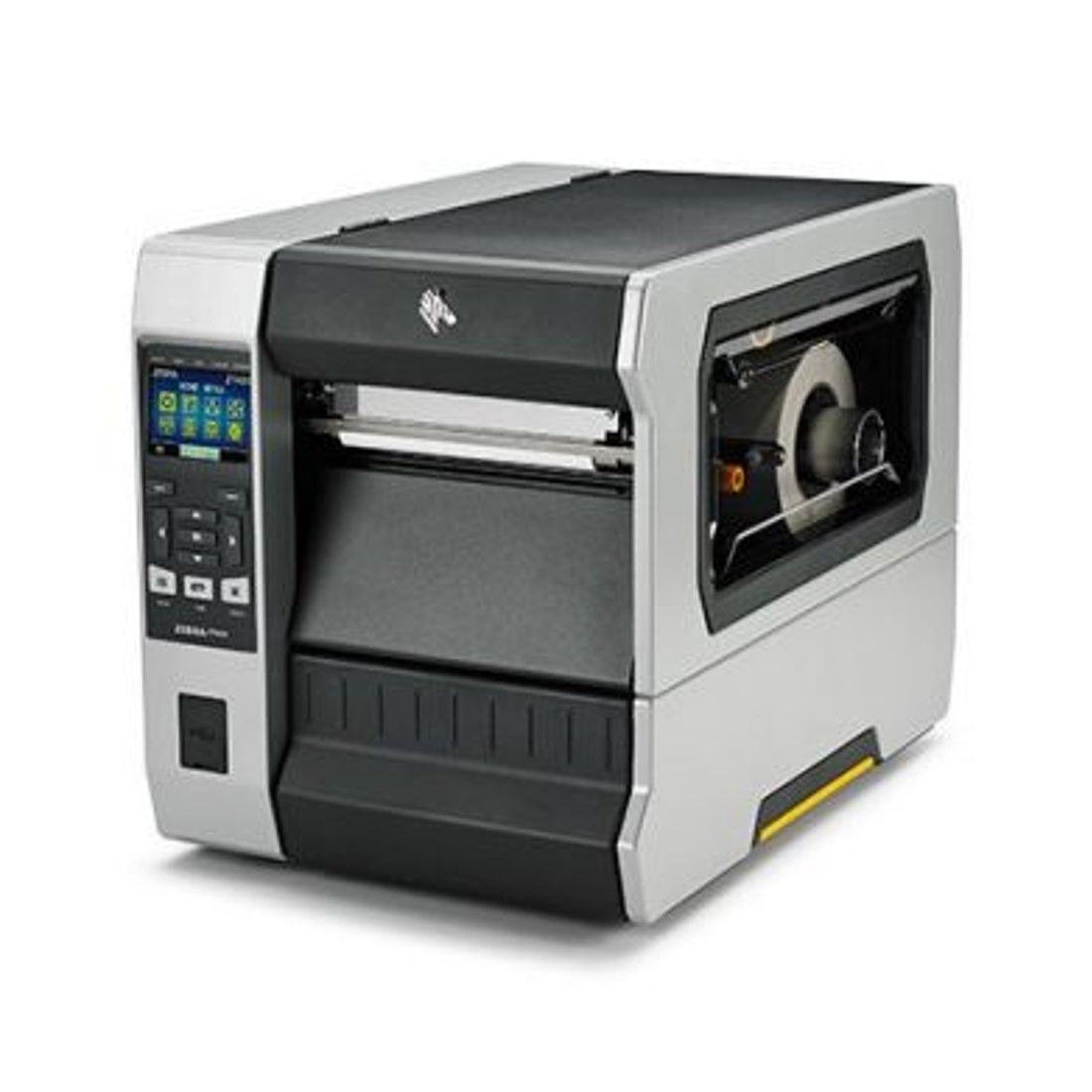
Thermal printheads are at the heart of thermal printing technology, a method distinguished by its use of heat rather than ink to transfer images onto paper. These printheads consist of an array of tiny heating elements that are precisely controlled to generate the required heat patterns. When these elements come into contact with thermal-sensitive paper or a thermal transfer ribbon, they create high-resolution images, text, or barcodes by selectively heating and cooling.
There are two primary types of thermal printing: direct thermal and thermal transfer. Direct thermal printing directly heats the thermal-sensitive paper, causing a colour change in the areas of heat application. This method is widely used for receipts and shipping labels due to its simplicity and cost-effectiveness. However, direct thermal prints are susceptible to fading over time, especially when exposed to heat, light, or other environmental factors.
Thermal transfer printing, on the other hand, uses a thermal printhead to heat a wax or resin-based ribbon that melts onto the receiving material, such as paper, polyester, or polypropylene labels. This method offers greater durability and resistance to environmental conditions, making it ideal for applications requiring longer-lasting prints, such as product labels in retail and industrial settings.
The choice between direct thermal and thermal transfer printing hinges on the specific needs of the application, including durability, cost, and print quality. By understanding these differences, users can select the most appropriate technology to meet their printing requirements, ensuring optimal performance and longevity of their thermal printheads.
Historical Evolution of Thermal Printing
The journey of thermal printing technology began in the 1940s, but it wasn't until the 1960s that the first commercial applications emerged, marking a significant milestone in the evolution of printing. Initially developed for fax machines, thermal printing technology quickly found its niche due to its efficiency and the quality of prints it could produce without the need for traditional ink-based systems.
A pivotal moment in the history of thermal printing came in the mid-1980s when the Japanese company SATO Corporation introduced the first thermal transfer printer. This innovation expanded the technology's applications beyond simple receipts or fax transmissions to more durable and versatile printing solutions, such as barcodes and product labels, which required prints to withstand handling, shipping, and storage conditions.
Over the decades, thermal printing has undergone continuous improvement, with advancements in printhead durability, resolution, and printing speed. Manufacturers have introduced printheads capable of achieving higher dots per inch (DPI), allowing for finer detail and clearer images. Additionally, the industry has seen a shift towards more sustainable practices, with newer models designed to be more energy-efficient and to use materials that minimise environmental impact.
Today, thermal printing is integral to numerous industries, including retail, healthcare, transportation, and manufacturing, underscoring its importance and the significant advancements it has made since its inception.
Technical Specifications and Features
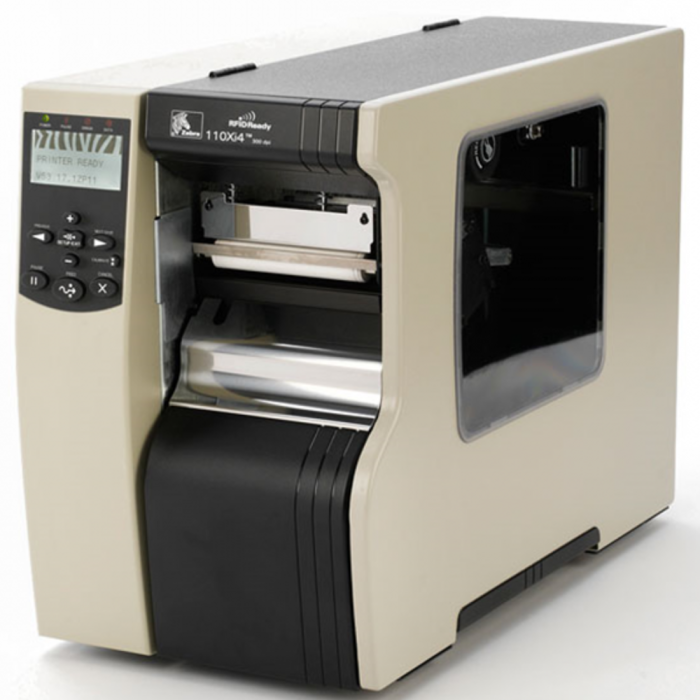
The technical prowess of thermal printheads is a key driver behind the widespread adoption of thermal printing technology. At the core of this technology are the printheads, which are engineered with precision to cater to various printing demands. Understanding the technical specifications and features of thermal printheads is crucial for optimising print quality and efficiency.
Resolution: One of the most critical specifications of a thermal printhead is its resolution, measured in dots per inch (DPI). Standard resolutions in the industry range from 200 DPI for general labelling to 600 DPI for applications requiring fine detail, such as printing small text or intricate graphics. Higher DPI printheads produce sharper images and text but may require slower printing speeds to maintain quality.
Heating Elements: The density and arrangement of heating elements on a printhead directly influence its resolution and overall print quality. These elements are tiny resistors that generate heat when activated. The number of heating elements per unit length (dots per mm) determines the printhead's ability to print detailed images and text.
Material Compatibility: Modern thermal printheads are designed to work with a wide range of materials, from standard thermal paper to specialty synthetic labels. This versatility is essential for industries that require durable labels resistant to chemicals, temperature extremes, and physical wear.
Durability and Maintenance: The lifespan of a thermal printhead is significantly influenced by its construction and the user's maintenance practices. Printheads made with robust materials such as ceramic are more resistant to wear and can withstand the demands of high-volume printing environments. Regular cleaning and proper alignment are critical to extending the life of the printhead and ensuring consistent print quality.
Energy Efficiency: Recent advancements have focused on making thermal printheads more energy-efficient. Innovative designs allow for quicker heat-up times and lower energy consumption, reducing the overall environmental footprint of thermal printing operations.
The technical specifications and features of thermal printheads play a pivotal role in their performance. By leveraging advancements in resolution, material compatibility, and energy efficiency, users can achieve high-quality prints tailored to their specific needs, making thermal printing a versatile and reliable choice for a wide array of applications.
Maintenance and Longevity of Thermal Printheads
Maintaining thermal printheads is crucial for ensuring the longevity and reliability of thermal printers. Proper care can significantly extend the life of a printhead, thereby reducing the need for frequent replacements and maintaining the quality of prints. Here are key practices for maintaining thermal printheads:
Regular Cleaning: One of the simplest yet most effective ways to prolong the life of thermal printheads is through regular cleaning. Over time, residue from paper, labels, and thermal ribbons can build up on the printhead, causing poor print quality and potentially damaging the heating elements. Using a soft, lint-free cloth or a printhead cleaning pen designed specifically for thermal printers can remove accumulated debris and residue. It's recommended to clean the printhead after every roll of labels or ribbon to prevent buildup.
Use of Recommended Supplies: The quality of paper, labels, and thermal ribbons used can significantly impact the wear and tear on a printhead. Using low-quality or incompatible materials can increase abrasion and leave more residue on the printhead, leading to premature failure. Manufacturers often recommend specific types of supplies that are best suited for their printers, which are designed to minimise wear on the printhead.
Adjust Printer Settings: Optimising printer settings according to the material being printed can also extend the life of a printhead. Running the printer at unnecessarily high temperatures or speeds can accelerate wear. Adjusting the heat settings to the lowest possible level that still produces a clear print can reduce stress on the printhead.
Preventive Maintenance: Regularly scheduled maintenance checks can identify and rectify issues before they lead to printhead damage. This includes checking for alignment issues, wear and tear on moving parts, and ensuring the entire printing mechanism is clean and functioning correctly.
Environmental Considerations: The environment in which the printer operates can also affect printhead longevity. Exposure to dust, high temperatures, and humidity can increase the likelihood of printhead issues. Operating printers in clean, controlled environments can help mitigate these risks.
By adhering to these maintenance practices, users can ensure their thermal printheads operate efficiently for as long as possible, maintaining high-quality prints and minimising downtime and replacement costs.
Sustainability and Efficiency in Thermal Printing
The environmental impact of printing technologies has become a significant concern, prompting a shift towards more sustainable and efficient practices. Thermal printing, particularly through advancements in thermal printhead technology, is at the forefront of this shift. Thermal printers, known for their efficiency, have a lower environmental footprint compared to traditional inkjet or laser printers. This is due to several factors:
Reduced Waste: Thermal printers do not use ink cartridges or toners, which are often difficult to recycle and can contain harmful chemicals. By eliminating the need for these consumables, thermal printing reduces waste and the chemical pollutants associated with cartridge disposal.
Energy Efficiency: Modern thermal printheads are designed to be more energy-efficient, requiring less power to operate. This reduction in energy consumption directly translates to a lower carbon footprint, aligning with global efforts to reduce energy usage and mitigate climate change.
Durability of Prints: The longevity of thermal prints, especially when using thermal transfer printing for labels and barcodes, means less frequent replacements and, consequently, less material consumption. This durability is crucial in applications where long-lasting labels are essential, further contributing to sustainability.
Material Flexibility: Thermal printing technology supports the use of a wide range of eco-friendly materials, including recycled papers and biodegradable plastics. This flexibility allows businesses to choose more sustainable options without compromising on print quality or durability.
By focusing on sustainability and efficiency, thermal printing technology, spearheaded by advancements in thermal printheads, offers a promising path towards environmentally responsible printing solutions.
Choosing the Right Thermal Printhead for Your Needs
Selecting the appropriate thermal printhead is crucial for achieving optimal printing performance and efficiency. The right choice depends on various factors, including the intended application, print volume, and the level of detail required in the prints. Here are key considerations when choosing a thermal printhead:
Print Resolution: The resolution, measured in dots per inch (DPI), determines the print quality. Higher DPI printheads are necessary for applications requiring fine detail, such as printing small text or intricate logos. For general labelling, a lower DPI may suffice, offering faster print speeds and lower costs.
Material Compatibility: Consider the types of materials you plan to print on. While some printheads are designed for versatility, others may be optimised for specific materials, such as synthetic labels or delicate papers. Ensuring compatibility with your chosen media is essential for maintaining print quality and printhead longevity.
Print Volume: High-volume printing environments demand printheads that can withstand continuous operation without degradation in quality. Look for printheads with a proven track record of durability and reliability under heavy use.
Manufacturer and Model Compatibility: Ensure that the printhead is compatible with your existing printer model. Using manufacturer-recommended printheads can prevent compatibility issues and often results in better performance and longer printhead life.
Cost vs. Performance: While higher-end printheads may offer superior performance and longevity, they also come with a higher price tag. Balance your budget with your printing needs, considering both initial costs and potential savings from reduced maintenance and replacement needs.
By carefully evaluating these factors, you can select a thermal printhead that meets your specific requirements, ensuring efficient, high-quality printing for your applications.
Case Studies: Success Stories in Thermal Printing
Retail Inventory Management: A major retail chain implemented thermal printing for inventory labels and shelf tags, significantly improving accuracy and efficiency. The use of high-resolution thermal printheads allowed for the printing of detailed, durable labels that could withstand handling and environmental factors, leading to a streamlined inventory process and reduced errors.
Healthcare Patient Tracking: A hospital adopted thermal wristband printing for patient identification, utilising thermal printheads capable of producing high-quality, durable prints. This solution ensured that patient information remained legible and intact throughout the hospital stay, enhancing patient safety and streamlining care processes.
Manufacturing Asset Tagging: An automotive manufacturer integrated thermal printing into its asset management system, using thermal printheads to produce heat-resistant, durable labels for equipment and parts. This approach facilitated accurate tracking and management of assets throughout the manufacturing process, improving operational efficiency and reducing the risk of errors.
These case studies demonstrate the versatility and reliability of thermal printing across various industries, highlighting the critical role of thermal printheads in achieving successful outcomes.
Conclusion: Thermal Printhead Technology
Thermal printhead technology reveals a landscape rich with innovation, efficiency, and adaptability. From the foundational understanding of how these printheads operate to the anticipation of future advancements, it's clear that thermal printing plays a crucial role across diverse sectors. Maintenance practices, sustainability efforts, and the careful selection of printheads are pivotal in harnessing the full potential of this technology. As we look forward, the continued evolution of thermal printheads promises to bring even greater precision, connectivity, and environmental consideration, ensuring that thermal printing remains at the forefront of industry solutions.
Discover the future of printing technology today by exploring the innovative solutions at InFocus ID, your destination for advanced thermal printing equipment and supplies.
References and Further Reading
For those interested in delving deeper into the world of thermal printing and printhead technology, the following resources offer valuable insights and information:
- Thermal Printing Technology Overview - An introductory guide to the principles of thermal printing, including the differences between direct thermal and thermal transfer printing. Read more.
- Sustainability in Printing - An insightful article discussing the environmental aspects of printing technologies, including thermal printing, and the push towards more sustainable practices. Learn More.