




Decoding Thermal Printhead Technologies: A Comprehensive Guide to Flathead and Near-Edge Systems

Understanding Thermal Printheads
Flathead Printheads: Technology and Applications
Near-Edge Printheads: Technology and Applications
Comparative Analysis
Innovations and Advancements
Choosing the Right Printhead for Your Needs
Case Studies
Conclusion: Decoding Thermal Printhead Technologies
References and Further Reading
In the evolving landscape of printing technology, thermal printing stands out for its efficiency, reliability, and versatility. This method, widely adopted across various industries, from retail to healthcare, relies heavily on the core component of the printer: the printhead. The choice between the two primary types of printheads, flathead and near-edge, can significantly impact the quality, speed, and cost-effectiveness of printing operations. Understanding the distinctions between these technologies is crucial for businesses aiming to optimise their labelling, ticketing, or receipt printing processes.
This article delves into the intricacies of flathead and near-edge printheads, offering insights into their operation, advantages, and applications. By comparing these technologies, we aim to equip readers with the knowledge to make informed decisions tailored to their specific printing needs, ensuring they select the right printhead technology that aligns with their operational goals and budget constraints.
Understanding Thermal Printheads
Thermal printing technology, a mainstay in various sectors, operates on a straightforward yet ingenious principle. It utilises heat to transfer ink onto a medium, typically paper, producing high-quality, durable prints. This technology bifurcates into two predominant printhead types: flathead and near-edge, each with unique characteristics and suited to specific applications. The printhead is the heart of a thermal printer, determining the efficiency, clarity, and longevity of the print output.
Flathead printheads, the pioneers in thermal printing, work by applying heat directly across a flat surface, causing the ink from a ribbon to melt and adhere to the paper. This method is known for its simplicity and reliability, making it suitable for a wide range of printing tasks. Near-edge printheads, on the other hand, employ a more angled approach. The printhead's heating element is positioned at a slight angle, allowing for faster printing speeds and more efficient use of the ink ribbon. This technology is particularly advantageous for high-volume or high-speed printing environments.
Both technologies have evolved to meet the demands of modern printing needs, offering solutions that range from detailed label printing to fast-paced ticket issuance. Understanding the operational mechanics and benefits of each printhead type is essential for selecting the right thermal printing solution, ensuring optimal performance and cost efficiency.
Flathead Printheads: Technology and Applications
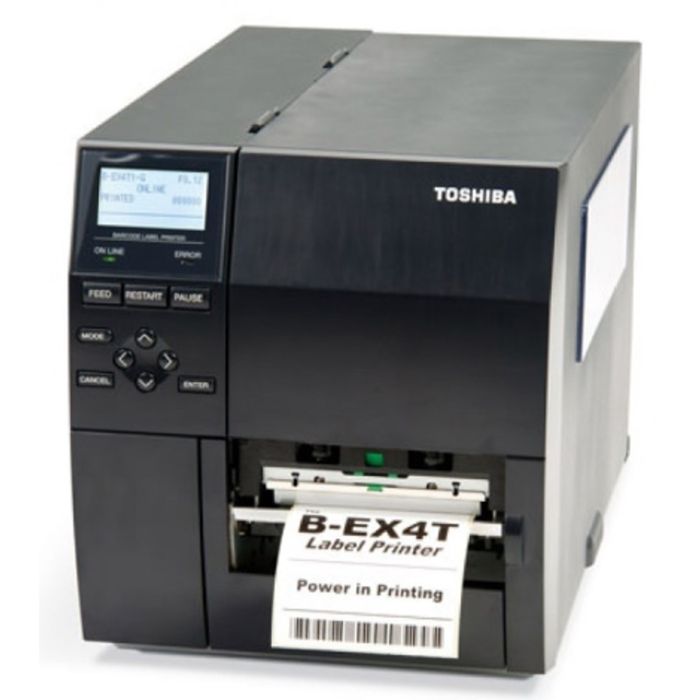
Flathead printhead technology, developed in the mid-20th century, has been a cornerstone in the evolution of thermal printing. This technology utilises a printhead that lies flat against the ribbon and media, ensuring that heat is applied evenly across the surface. The heating elements in the printhead are activated in a precise pattern, melting the ink from the ribbon onto the paper or label material. This process allows for a consistent and reliable transfer of ink, making flathead technology ideal for a wide range of printing applications.
One of the key advantages of flathead printheads is their versatility. They can accommodate a variety of media types and thicknesses, from standard paper to thicker, more durable materials. This flexibility makes flathead printers a popular choice for businesses that require a broad spectrum of printing capabilities, including shipping labels, receipts, and product labels. The technology's reliability and simplicity also contribute to its widespread adoption, offering users a straightforward and effective printing solution.
However, flathead printheads have limitations, particularly in terms of print speed and ribbon efficiency. The contact between the ribbon and media is longer in flathead printers, which can lead to increased ribbon consumption and slower printing speeds compared to near-edge technologies. Despite these drawbacks, flathead printers remain a cost-effective option for many applications, particularly where high print quality and media compatibility are paramount.
The development of flathead technology by Texas Instruments in 1965 marked a significant milestone in printing, laying the groundwork for the barcode and variable information printing industries. Today, major manufacturers like Zebra, Datamax, Sato, and Intermec continue to advance flathead technology, enhancing its efficiency, durability, and range of applications. Whether for retail labelling, warehouse management, or ticketing, flathead printheads offer a proven, versatile solution that meets a wide array of printing needs.
Near-Edge Printheads: Technology and Applications
Near-edge printhead technology represents a significant advancement in thermal printing, designed to meet the demands of high-speed and high-volume printing environments. Unlike the flat surface of flathead printheads, near-edge printheads are positioned at an acute angle to the media, allowing the heating elements to make minimal contact with the ribbon. This design facilitates a quicker transfer of ink to the media, enabling faster print speeds without sacrificing print quality.
The cornerstone of near-edge technology lies in its efficiency and speed. The minimal contact between the ribbon and the printhead reduces the amount of ribbon used per print, leading to significant savings in ribbon costs over time. This efficiency, combined with the ability to print at speeds of up to 600mm per second, makes near-edge printers particularly suited for applications where time and cost savings are critical, such as in manufacturing and logistics.
Another advantage of near-edge printheads is their versatility in handling a broader range of media types, including thinner and more sensitive materials. This capability opens up new applications for thermal printing, from flexible packaging to apparel tags, where the gentle handling of materials is essential. The rapid ink transfer also allows for higher quality prints with finer details, making near-edge technology ideal for printing barcodes, graphics, and small text.
Despite these benefits, near-edge printheads are generally more expensive than their flathead counterparts, both in terms of initial investment and maintenance costs. However, for businesses that prioritise efficiency, speed, and print quality, the investment in near-edge technology can offer substantial long-term benefits. Leading suppliers of near-edge technology, such as Videojet, Markem, Bell-Mark, Avery, and Toshiba-Tec, continue to innovate, pushing the boundaries of what's possible in thermal printing. As near-edge technology evolves, it is set to redefine the standards of printing performance, offering businesses unparalleled speed, efficiency, and flexibility.
Comparative Analysis
When choosing between flathead and near-edge printhead technologies, several key factors come into play, including print quality, speed, media compatibility, ribbon consumption, and cost-effectiveness. Understanding these differences is crucial for selecting the right thermal printing solution for specific needs.
Print Quality and Speed: Near-edge printheads offer superior speed, capable of reaching up to 600mm per second, double the maximum speed of most flathead printers. This makes near-edge technology ideal for high-volume environments where efficiency is paramount. However, flathead technology is not far behind in terms of print quality. Both technologies produce high-quality prints, but near-edge printheads can achieve finer details and sharper images due to their rapid ink transfer capability, which is particularly beneficial for printing small text and intricate graphics.
Media Compatibility: Flathead printheads excel in versatility, accommodating a wide range of media types and thicknesses. This makes them suitable for a broad spectrum of applications, from standard paper labels to durable synthetic materials. Near-edge printheads, with their minimal contact and fast ink transfer, are better suited for printing on thinner and more sensitive materials without causing damage, expanding their use to applications like flexible packaging and apparel tags.
Ribbon Consumption and Cost-Effectiveness: Near-edge technology is designed to minimise ribbon waste by using only the amount of ribbon necessary for printing, which can lead to significant cost savings over time, especially in high-volume printing scenarios. Flathead printers, due to their longer contact between the ribbon and media, may use more ribbon, potentially increasing operational costs. However, the initial investment and maintenance costs for near-edge printers are generally higher than for flathead printers, making flathead technology a more cost-effective option for businesses with lower volume printing needs or tighter budget constraints.
Durability and Maintenance Requirements: Both printhead types are designed for durability and long-term use, but the specific maintenance requirements can vary. Flathead printheads, with their simpler design, may be easier to maintain and replace, potentially reducing downtime. Near-edge printheads, while robust, may require more specialised maintenance due to their advanced design and faster wear from high-speed printing.
The choice between flathead and near-edge printhead technologies depends on the specific requirements of the printing application, including the desired balance between speed, quality, media compatibility, and cost. Businesses must carefully consider these factors to select the printhead technology that best aligns with their operational goals and budget.
Innovations and Advancements
The thermal printing industry continues to evolve, driven by technological innovations and advancements in both flathead and near-edge printhead technologies. These developments are not only enhancing print quality and speed but also expanding the range of applications for thermal printers.
Energy Efficiency and Sustainability: Recent innovations focus on reducing the energy consumption of thermal printers, making them more environmentally friendly and cost-effective to operate. Advanced energy-saving modes and more efficient heat transfer mechanisms are being developed to minimise power usage without compromising print speed or quality.
Improved Durability and Lifespan: Manufacturers are investing in materials and designs that extend the durability of printheads, reducing the need for frequent replacements. New coatings and alloys for heating elements are being introduced, which withstand the rigours of high-speed printing and resist wear, thereby extending the lifespan of printheads.
Enhanced Print Quality: Advances in printhead technology have led to higher resolution printing capabilities, allowing for finer details and crisper images. This is particularly beneficial for applications requiring precise barcodes, graphics, and text. Innovations in ribbon formulations complement these improvements, providing clearer prints and better adhesion to various media types.
Internet of Things (IoT) Integration: The integration of IoT technology into thermal printers enables remote monitoring and management of printing operations. This connectivity allows for real-time adjustments to printing parameters, predictive maintenance, and troubleshooting, enhancing operational efficiency and reducing downtime.
These advancements reflect the industry's commitment to innovation, offering businesses improved performance, sustainability, and flexibility. As thermal printing technology continues to advance, it will open new possibilities for applications across various industries, further solidifying its role in modern printing solutions.
Choosing the Right Printhead for Your Needs
Selecting the appropriate printhead technology—flathead or near-edge—is crucial for optimising your printing operations. This decision should be based on a careful consideration of your specific requirements, including print volume, speed, media type, and budget constraints. Here are key factors to guide your selection process:
Assess Print Volume and Speed Requirements: If your operations demand high-speed printing to handle large volumes efficiently, near-edge technology may be the best fit due to its faster print speeds and efficient ribbon usage. For lower-volume printing where speed is less critical, flathead printers offer reliability and quality at a more cost-effective price point.
Consider Media Compatibility: Evaluate the types of media you will be printing on. Flathead printheads offer versatility across a wide range of media thicknesses and types, making them suitable for diverse applications. Near-edge printheads, with their minimal contact, are better suited for sensitive or thinner materials, providing high-quality prints without damaging the media.
Evaluate Cost Implications: While near-edge printers may offer savings on ribbon consumption and increased efficiency for high-volume printing, they typically involve a higher initial investment and maintenance costs. Flathead printers, being more economical upfront, can be a cost-effective solution for businesses with moderate printing needs.
Plan for Maintenance and Durability: Consider the maintenance requirements and durability of the printhead technology. Flathead printheads, with their simpler design, may be easier and less costly to maintain. However, advancements in near-edge technology have significantly improved its durability, making it a viable long-term investment for high-demand environments.
By carefully weighing these factors against your operational needs and budget, you can choose the printhead technology that best aligns with your business objectives, ensuring efficient, high-quality printing solutions.
Case Studies
Efficiency Boost in Retail Labelling: A national retail chain switched to near-edge printhead technology for its in-store labelling needs. The transition resulted in a 50% increase in printing speed, allowing for quicker shelf labelling and price updates. The retailer also reported a 30% reduction in ribbon costs due to the efficient use of near-edge technology, significantly lowering operational expenses over time.
Enhanced Durability in Logistics: A logistics company faced frequent downtime with its flathead printers due to the harsh warehouse environment. After switching to more durable near-edge printers, the company observed a notable decrease in maintenance calls and increased printhead lifespan by 40%. This change improved the reliability of shipping label production, crucial for their 24/7 operations.
These case studies illustrate the tangible benefits of selecting the right printhead technology based on specific industry needs. Whether it's achieving operational efficiency in retail or enhancing durability in logistics, the choice of printhead technology plays a pivotal role in optimising printing operations.
Conclusion: Decoding Thermal Printhead Technologies
Choosing between flathead and near-edge printhead technologies requires a nuanced understanding of your printing needs. By considering factors like print volume, media type, and cost efficiency, businesses can select the technology that best aligns with their objectives, ensuring high-quality prints, operational efficiency, and long-term cost savings.
Explore the future of printing technology tailored to your business needs by visiting Infocus ID today and discover the for you.
References and Further Reading
For those interested in delving deeper into the world of thermal printhead technologies and their applications, the following resources offer valuable insights and detailed information:
- Advancements in Printhead Technology - Printweek: Stay updated with the latest advancements in printhead technology and the printing industry.
- Label and Packaging Innovations - Packaging Digest: Learn about the latest trends and innovations in label and packaging printing, including the use of thermal printhead technologies.