




Mastering Label Printing: Techniques and Best Practices
Flexography
Digital Printing
Screen Printing
Direct Thermal Printing
Thermal Transfer Printing
Offset Printing
Conclusion: Label Printing Techniques
Labels are an essential aspect of product packaging, serving to identify, describe, and promote the items they adorn. From food and beverage containers to cosmetic bottles and industrial components, labels play a crucial role in catching the consumer's eye and conveying vital information. With the ever-increasing demand for eye-catching and informative labels, it is important to understand the various printing techniques available. This comprehensive guide will explore the most common label printing methods, including flexography, digital printing, screen printing, direct thermal printing, thermal transfer printing, and offset printing, highlighting their unique advantages and applications.
Flexography
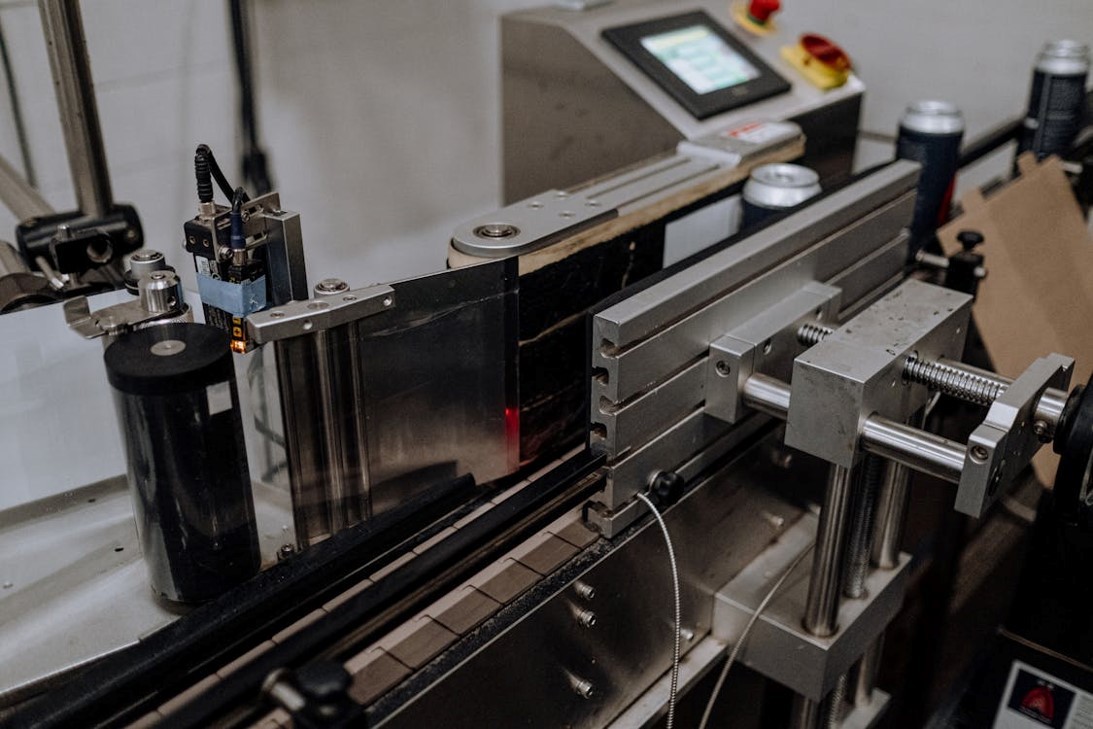
Flexography, often referred to as flexo printing, is a widely used technique in the label printing industry. This method employs flexible relief plates mounted on rotating cylinders to transfer ink onto the label substrate. The flexo printing process begins with the creation of a photopolymer plate, which is exposed to UV light to create a raised image of the label design. This plate is then attached to a cylinder on the printing press.
As the press runs, ink is transferred from an ink pan to an anilox roller, which is a cylinder covered in tiny cells that control the amount of ink deposited onto the plate. The inked plate then comes into contact with the label substrate, transferring the image. This process is repeated for each colour used in the label design, with the substrate passing through the press multiple times to overlay the colours and create the final image.
Flexo printing is known for its versatility, as it can be used on a wide range of materials, including paper, foil, and plastic. It is also capable of producing high-quality images with fine details and vibrant colours. Additionally, flexo printing is well-suited for high-volume runs, making it a cost-effective choice for large-scale label production. However, the setup costs associated with creating plates can be significant, making it less economical for short runs or frequently changing designs.
Digital Printing
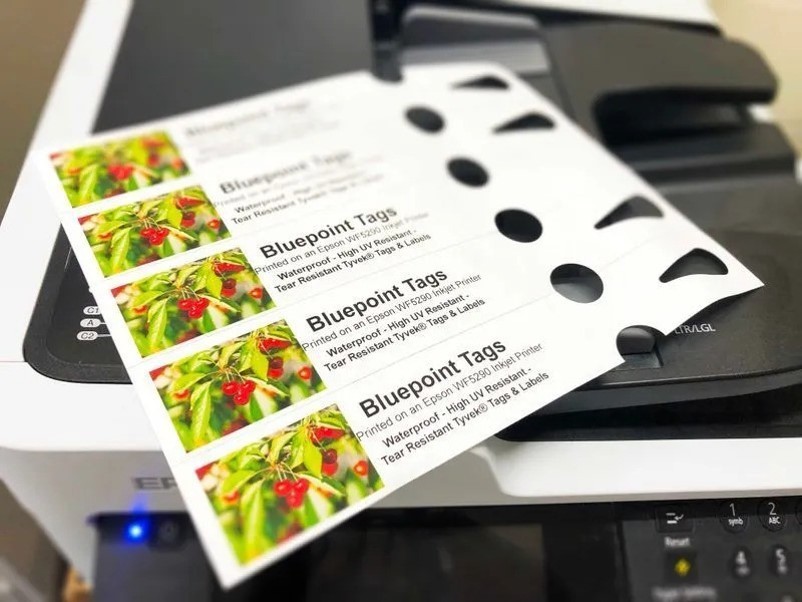
Digital printing has revolutionised the label printing industry, offering a cost-effective and efficient solution for short runs and personalised labels. This method involves the use of digital files to print images directly onto the label substrate, eliminating the need for physical plates or screens.
There are two primary types of digital printing used for labels: inkjet and laser. Inkjet printing works by propelling tiny droplets of ink onto the label surface to create the desired image. This technique is known for its ability to produce vibrant colours and high-resolution images, making it ideal for photo-quality labels. Laser printing, on the other hand, uses a laser beam to transfer toner onto the label substrate, creating sharp text and graphics.
One of the main advantages of digital printing is its ability to handle variable data, such as serial numbers, barcodes, and personalised information. This makes it an excellent choice for products that require unique identifiers or customised labels. Additionally, digital printing allows for quick turnaround times and low setup costs, as there are no plates or screens to produce.
However, digital printing does have some limitations. The cost per label can be higher than other methods for large-volume runs, and the range of compatible substrates may be more limited compared to other techniques. Despite these drawbacks, digital printing remains a popular choice for businesses that require flexibility, personalisation, and short-run capabilities in their label production.
Screen Printing
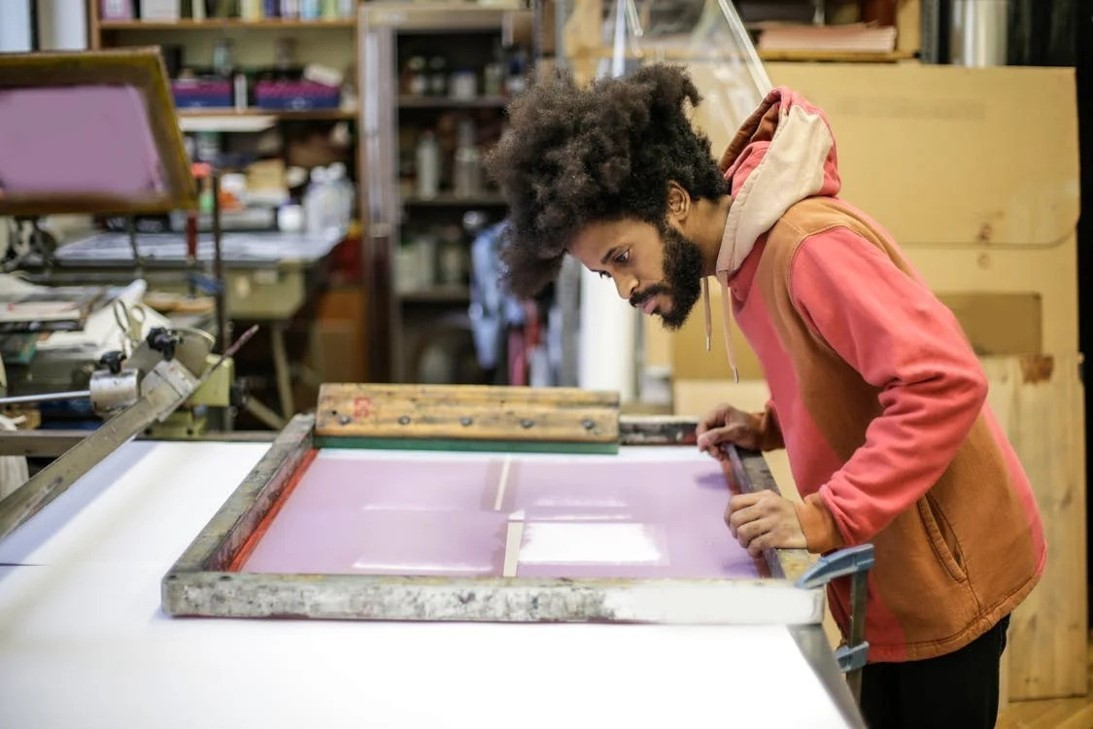
Screen printing is a versatile label printing method that involves pushing ink through a mesh screen onto the label substrate. The screen is created by stretching a fine mesh fabric over a frame and then applying a photosensitive emulsion. The label design is then exposed onto the emulsion, hardening the areas that will not be printed and leaving the design area open for ink to pass through.
During the printing process, ink is placed on top of the screen, and a squeegee is used to press the ink through the open areas of the mesh, transferring the design onto the label substrate. This process is repeated for each colour in the design, with the substrate being aligned precisely to ensure proper registration of the colours.
Screen printing is known for its ability to produce vibrant, durable prints on a wide range of materials, including paper, plastic, metal, and glass. It is also well-suited for printing on irregular or curved surfaces, making it a popular choice for product labels and promotional items. However, screen printing can be time-consuming and labour-intensive, particularly for multi-colour designs, and the setup costs associated with creating screens can be significant.
Direct Thermal Printing
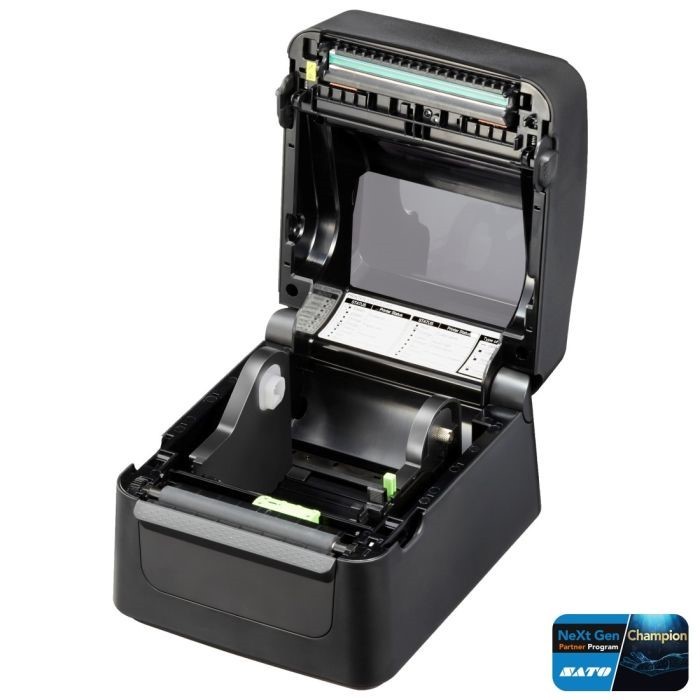
Direct thermal printing is a unique label printing method that utilises heat-sensitive materials to create images without the use of ink or toner. In this process, a thermal printhead applies heat to the label substrate, causing a chemical reaction that darkens the areas where heat is applied, resulting in the desired image.
One of the main advantages of direct thermal printing is its simplicity and cost-effectiveness. Because no ink or ribbon is required, the ongoing costs of label production are minimal. Additionally, direct thermal printers are typically compact and easy to use, making them a convenient choice for businesses with limited space or technical expertise.
However, direct thermal printing does have some limitations. The labels produced are monochromatic, typically black on white, and they may fade or discolour over time when exposed to heat, light, or certain chemicals. Additionally, the heat-sensitive nature of the labels means that they are not suitable for applications where durability or longevity is a primary concern.
Despite these limitations, direct thermal printing remains a popular choice for applications such as shipping labels, event tickets, and perishable food labels, where short-term use and cost-effectiveness are prioritised.
Thermal Transfer Printing
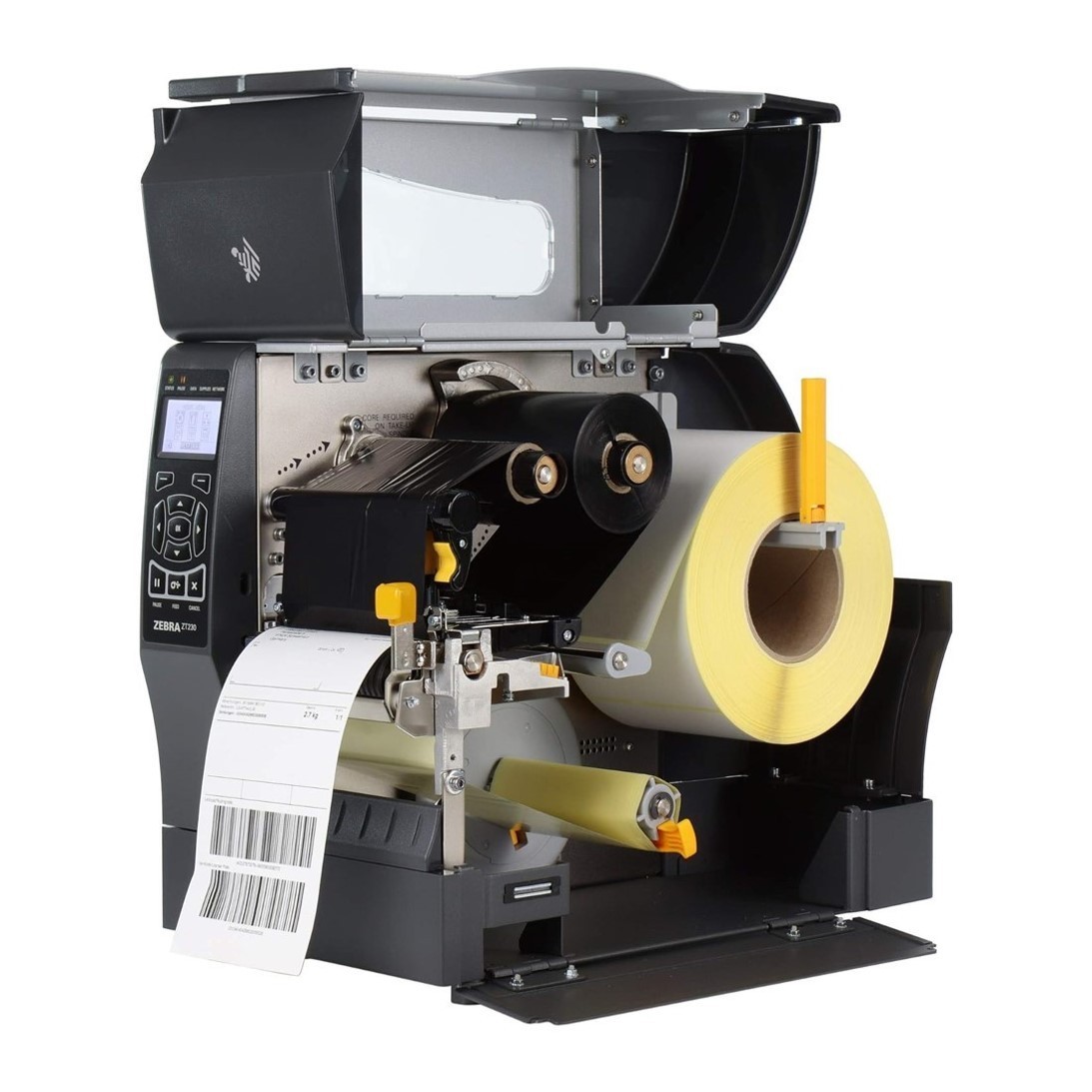
Thermal transfer printing is a label printing method that combines the use of heat and a ribbon to transfer ink onto the label substrate. This process involves a thermal printhead that applies heat to a ribbon coated with wax or resin-based ink. The heat melts the ink, which is then transferred onto the label surface.
One of the main advantages of thermal transfer printing is its ability to produce high-quality, durable images on a wide range of materials, including paper, synthetic materials, and even textiles. The use of wax or resin-based inks ensures that the labels are resistant to smudging, fading, and abrasion, making them suitable for applications where durability is a key concern.
Thermal transfer printing is also known for its precision and consistency, as the digital nature of the process ensures that each label is identical to the next. This makes it an excellent choice for printing barcodes, serial numbers, and other variable data.
However, thermal transfer printing does require the ongoing purchase of ribbons, which can add to the overall cost of label production. Additionally, the printing speed may be slower compared to other methods, particularly for large-volume runs.
Offset Printing
Offset printing is a traditional label printing method that offers high-quality results and is well-suited for large-volume runs. This technique involves transferring an inked image from a plate to a rubber blanket and then onto the label substrate.
The offset printing process begins with the creation of metal plates, typically made of aluminium, which are etched with the label design. The plates are then mounted on a cylinder in the printing press. As the cylinder rotates, it comes into contact with ink rollers, which apply ink to the raised areas of the plate. A water roller also comes into contact with the plate, applying a thin film of water to the non-image areas, creating a separation between the ink and non-ink areas.
The inked image is then transferred, or "offset," onto a rubber blanket cylinder. As the label substrate passes between the blanket cylinder and an impression cylinder, the image is transferred from the blanket onto the substrate, creating the final printed label.
Offset printing is known for its consistent, high-quality results and its ability to produce fine details and vibrant colours. It is also well-suited for printing on a wide range of materials, including paper, plastic, and foil. Additionally, the setup costs for offset printing are relatively low compared to other methods, making it a cost-effective choice for large-volume runs.
However, offset printing does have some limitations. The setup time can be lengthy, as plates need to be created for each colour in the design. Additionally, the cost per label can be higher for short runs, as the initial setup costs are spread out over fewer labels.
Conclusion: Label Printing Techniques
There are several label printing techniques available, each with its own unique advantages and applications. Whether you require high-volume runs, personalised labels, or durable prints, there is a printing method that can meet your needs. By understanding the capabilities and limitations of each technique, you can make an informed decision when selecting the best printing method for your label projects.
As technology continues to advance, it is likely that we will see even more innovative label printing solutions emerge, providing businesses with an ever-expanding range of options to create eye-catching and informative labels that effectively promote their products.
Discover the best in label printing solutions with InFocusID – your one-stop-shop for high-quality, customised labels that make your products stand out.