




Navigating the World of Thermal Transfer Ribbons: A Comprehensive Guide
Understanding Thermal Transfer Printing
The Basic Mechanism of Thermal Transfer Printing
Advantages of Thermal Transfer Printing
Comparison with Other Printing Technologies
Overview of Thermal Transfer Ribbons
Understanding Thermal Transfer Ribbons
Types of Thermal Transfer Ribbons
Wax Ribbons
Wax/Resin Ribbons
Resin Ribbons
Versatility in Applications
Applications Across Industries
Retail and Logistics
Healthcare
Manufacturing and Industrial
Food and Beverage
Electronics
Textile and Apparel
Outdoor and Harsh Environments
Technical Aspects of Ribbons
Ink Melting Points
Print Sensitivity
Resistance Properties
Colour Options
Selecting the Right Ribbon
Understanding Your Labelling Requirements
Factors to Consider
Testing and Sampling
Conclusion: Thermal Transfer Ribbons
Further Reading
In the dynamic world of label printing, the choice of printing technology plays a pivotal role in determining the quality, durability, and efficiency of the output. Among the various methods available, thermal transfer printing has emerged as a popular and reliable choice for a wide range of applications. This technology, known for its precision and versatility, utilises thermal transfer ribbons to produce high-quality, long-lasting prints.
The essence of thermal transfer printing lies in its ability to cater to diverse printing needs, from simple labelling tasks to the production of barcodes and intricate graphics. The key component in this process is the thermal transfer ribbon, which significantly influences the print quality and longevity. With different types of ribbons available, each suited for specific applications and environments, understanding the nuances of these ribbons becomes crucial for anyone involved in label printing.
This guide aims to delve into the world of thermal transfer ribbons, shedding light on their types, applications, and the technicalities that make them suitable for various printing demands. Whether you are a business owner seeking efficient labelling solutions, a supply chain manager in need of durable shipping labels, or a manufacturer requiring resilient product tags, this guide will help you navigate the choices and select the ribbon that best fits your needs. By comprehending the fundamentals of thermal transfer ribbons, you can ensure high-quality printing results that stand the test of time and environment.
Understanding Thermal Transfer Printing
Thermal transfer printing stands out in the realm of label and tag production for its precision, versatility, and durability.
The Basic Mechanism of Thermal Transfer Printing
Thermal transfer printing operates on a straightforward yet effective principle. It involves a thermal print head applying heat to a wax or resin-based ink ribbon, melting the ink onto the paper or label material to form an image. This method allows for the creation of high-resolution, crisp images and text. The key components in this process are:
- Thermal Print Head: Generates the necessary heat to transfer the ink.
- Thermal Transfer Ribbon: Carries the ink in either wax, resin, or a combination of both.
- Label Material: The substrate onto which the ink is transferred, ranging from paper to more durable synthetic materials.
Advantages of Thermal Transfer Printing
Thermal transfer printing offers several advantages that make it a preferred choice in various industries:
- High-Quality Output: Produces sharp, high-resolution images and text.
- Durability: Prints are resistant to fading, smearing, and chemicals, making them ideal for long-term applications.
- Versatility: Capable of printing on a wide range of materials, including paper, polyester, and polypropylene.
- Flexibility in Colour Options: While predominantly used for black printing, it can also accommodate different colours.
Comparison with Other Printing Technologies
When compared to other technologies like direct thermal printing, inkjet, or laser printing, thermal transfer printing stands out in several ways:
- Direct Thermal Printing: Unlike thermal transfer, direct thermal printing doesn't use a ribbon. It relies on heat-sensitive paper that blackens upon heating. While cost-effective for short-term applications, direct thermal prints are prone to fading and are less durable under extreme conditions.
- Inkjet Printing: Inkjet printers spray ink directly onto the substrate. While they are excellent for high-speed, colour printing, they generally lack the durability and precision of thermal transfer prints.
- Laser Printing: Laser printers offer high-speed printing and are suitable for a variety of documents. However, for label printing, especially where durability and resistance to environmental factors are required, thermal transfer printing is more effective.
Thermal transfer printing, with its unique combination of durability, precision, and versatility, is an ideal solution for a wide range of labelling requirements. Its ability to produce long-lasting, high-quality prints makes it a go-to choice for businesses and industries where label longevity and clarity are paramount.
Overview of Thermal Transfer Ribbons
Thermal transfer ribbons are at the heart of the thermal transfer printing process, playing a crucial role in determining the quality and suitability of the printed output for various applications.
Understanding Thermal Transfer Ribbons
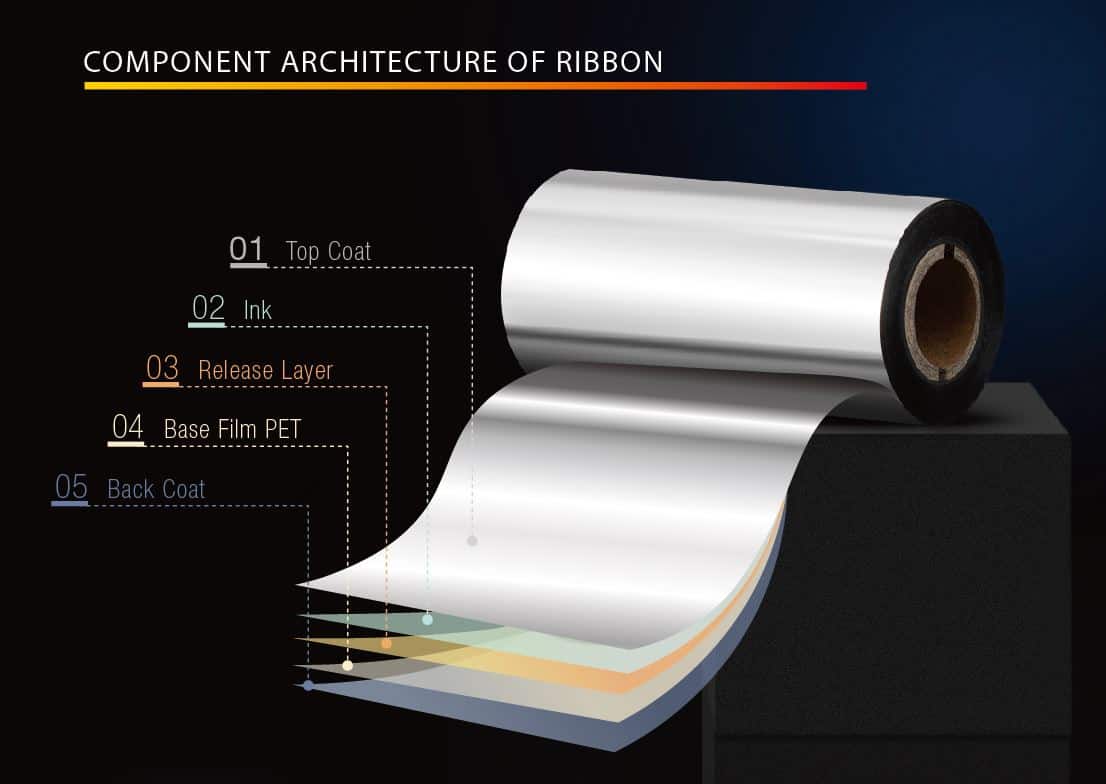
Thermal transfer ribbons are coated with a layer of ink made of wax, resin, or a combination of both, which melts when heated by the printer's thermal print head. The melted ink is then transferred onto the label material, creating a high-resolution image. The choice of ribbon material is essential as it affects the print's durability, clarity, and resistance to various environmental factors.
Types of Thermal Transfer Ribbons
Wax Ribbons:
- Characteristics: Wax ribbons are the most common and cost-effective option. They have a lower melting point, which means less energy is required for printing.
- Applications: Best suited for general labelling on paper materials, where durability against smudging and scratching isn't a primary concern. Ideal for indoor use, such as in retail and warehousing.
Wax/Resin Ribbons:
- Characteristics: These ribbons are a blend of wax and resin, offering greater durability than pure wax ribbons. They are more resistant to smudging and scratching.
- Applications: Suitable for labels that require a higher level of durability. Commonly used for packaging labels, healthcare labels, and inventory labelling in both indoor and outdoor environments.
Resin Ribbons:
- Characteristics: Resin ribbons provide the highest level of durability. They are resistant to heat, chemicals, and UV exposure.
- Applications: Ideal for harsh environment labelling, such as industrial applications, outdoor use, and situations where the label is exposed to chemicals or extreme temperatures.
Versatility in Applications
The versatility of thermal transfer ribbons makes them suitable for a wide range of applications across various industries. From retail and logistics, requiring high-volume, clear, and durable labels, to healthcare and industrial settings, where labels must withstand harsh conditions and exposure to chemicals, thermal transfer ribbons offer solutions tailored to these diverse needs.
Applications Across Industries
The versatility of thermal transfer ribbons extends across various industries, each with its unique labelling requirements. Let’s explore how different ribbon types cater to specific industry needs, highlighting their practical applications in real-world scenarios.
Retail and Logistics
- Wax Ribbons: Ideal for retail applications, wax ribbons are commonly used for printing price tags, shelf labels, and inventory management tags. Their ease of use and cost-effectiveness make them suitable for high-volume printing.
- Wax/Resin Ribbons: In logistics, where labels are exposed to more handling and varying temperatures, wax/resin ribbons offer the necessary durability. They are used for shipping labels, warehouse management tags, and product identification labels.
Healthcare
- Resin Ribbons: In the healthcare industry, labels often need to withstand sterilisation processes and exposure to chemicals. Resin ribbons are used for patient identification wristbands, laboratory specimen labels, and pharmaceutical labels due to their high resistance to heat and chemicals.
Manufacturing and Industrial
- Wax/Resin and Resin Ribbons: In manufacturing environments, labels are exposed to rough handling, abrasion, and sometimes harsh chemicals. Wax/resin ribbons are suitable for product labels in such settings. Resin ribbons are preferred for industrial applications where labels must endure extreme conditions, such as high temperatures and chemical exposure.
Food and Beverage
- Wax/Resin Ribbons: Labels in the food and beverage industry need to be resistant to moisture and refrigeration. Wax/resin ribbons are used for food packaging labels, as they offer better durability against cold and damp conditions compared to wax ribbons.
Electronics
- Resin Ribbons: Electronic components often require labels that can withstand high temperatures and handling during the manufacturing process. Resin ribbons are used for circuit board labelling and product identification tags in electronics due to their heat resistance and durability.
Textile and Apparel
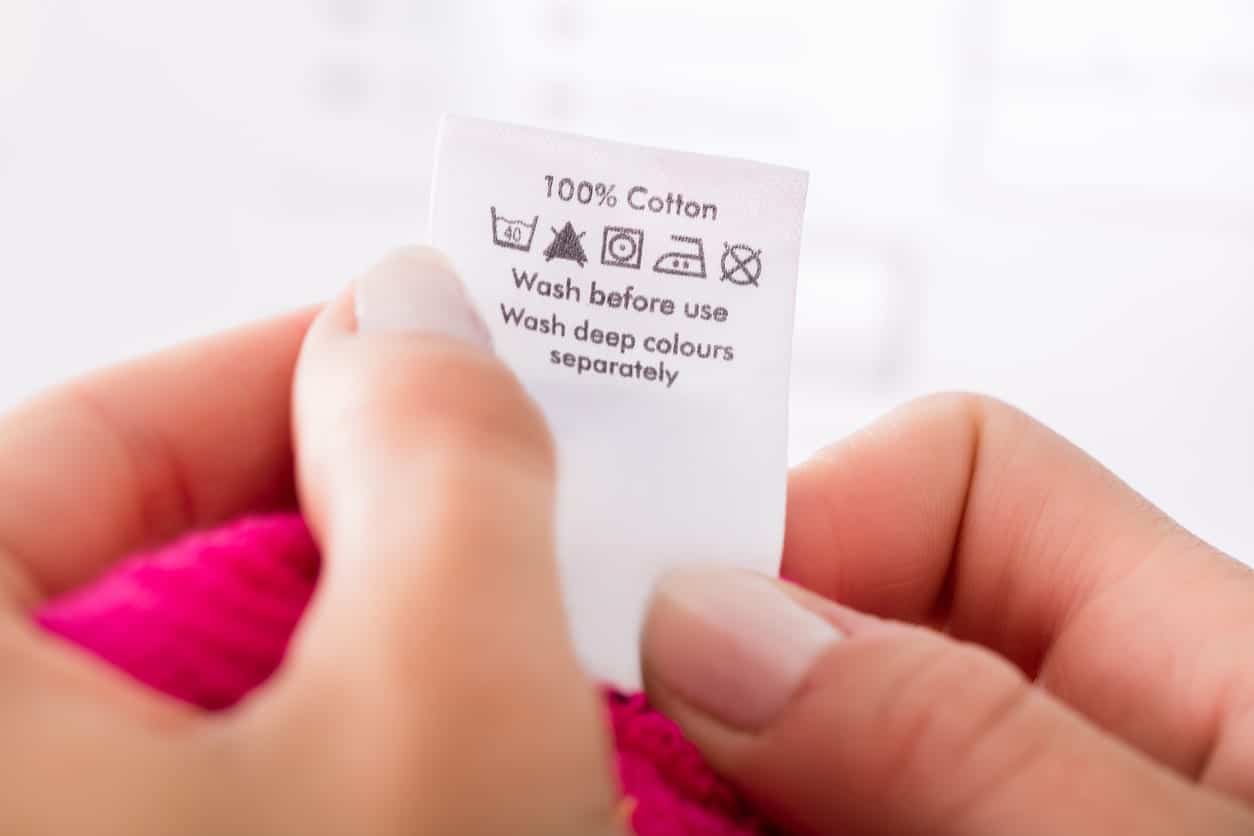
- Specialty Ribbons: For textile and apparel labelling, specialty ribbons are used to ensure that the print remains intact through wear and washing. These ribbons are designed to adhere to various fabric types and withstand the rigours of laundry processes.
Outdoor and Harsh Environments
- Resin Ribbons: For outdoor applications, such as plant nursery tags or outdoor equipment labelling, resin ribbons are essential. Their UV resistance and ability to withstand weather elements make them ideal for these applications.
The application of thermal transfer ribbons spans a wide array of industries, each with its specific labelling challenges. From the retail floor to the harsh environments of industrial manufacturing, the right ribbon type ensures that labels are not only legible and aesthetically pleasing but also durable and functional under the specific conditions they will face.
Technical Aspects of Ribbons
To make informed decisions about the right thermal transfer ribbon for specific applications, it's essential to understand their technical aspects.
Ink Melting Points
- Wax Ribbons: They have the lowest melting point among the ribbon types. This feature means they require less heat from the print head, which can reduce energy consumption and wear on the printer.
- Wax/Resin Ribbons: These have a slightly higher melting point than pure wax ribbons, offering a balance between print quality and energy efficiency.
- Resin Ribbons: They possess the highest melting point, making them suitable for applications where the labels are exposed to high temperatures.
Print Sensitivity
- Print Sensitivity and Quality: This refers to the ribbon's ability to produce clear and precise prints at various speeds and temperatures. Higher sensitivity ribbons are more adaptable to different printing conditions, producing consistent quality across a range of settings.
Resistance Properties
- Heat Resistance: Resin ribbons offer the highest heat resistance, suitable for environments with high temperatures or direct sunlight exposure. Wax/Resin ribbons provide moderate heat resistance, while wax ribbons are less resistant to heat.
- Abrasion Resistance: This is crucial for labels that will be handled frequently or subjected to rough conditions. Resin ribbons excel in abrasion resistance, followed by wax/resin, and then wax ribbons.
- Solvent Resistance: Resin ribbons are highly resistant to chemicals and solvents, making them ideal for industrial and healthcare applications. Wax/Resin ribbons offer moderate resistance, suitable for less harsh environments.
- Label Adaptability: Different ribbons adhere differently to various label materials. Resin ribbons work well with synthetic materials, while wax and wax/resin ribbons are typically used for paper labels.
Colour Options
- While black is the most common colour for thermal transfer ribbons, there are options available in various colours for specific branding or identification needs. This is particularly relevant in retail and product labelling where brand identity is important.
The technical specifications of thermal transfer ribbons play a pivotal role in determining their suitability for different applications.
Selecting the Right Ribbon
Choosing the appropriate thermal transfer ribbon is crucial for achieving the desired print quality and durability in various applications.
Understanding Your Labelling Requirements
- Application Environment: Consider the conditions under which the labels will be used. For harsh environments with exposure to chemicals, heat, or abrasion, resin ribbons are ideal. For general labelling in less demanding conditions, wax or wax/resin ribbons may suffice.
- Label Substrate: The type of material you are printing on greatly influences ribbon selection. Resin ribbons are typically required for synthetic materials, while wax ribbons are suitable for standard paper labels.
- Print Durability Needs: Evaluate the longevity required for the labels. If the labels need to withstand rough handling, environmental exposure, or long-term storage, resin ribbons offer the highest durability.
- Printer Compatibility: Ensure the ribbon is compatible with your thermal transfer printer. This includes considering the ribbon size and whether your printer is designed for wax, wax/resin, or resin ribbons.
Factors to Consider
- Print Quality: High-resolution and clear prints are essential for barcodes and detailed graphics. Resin ribbons generally provide the highest quality, followed by wax/resin and wax ribbons.
- Budget Constraints: Wax ribbons are the most cost-effective, making them suitable for high-volume printing where cost is a significant factor.
- Colour Requirements: If colour printing is required for branding or product differentiation, explore colour options available in different ribbon types.
- Regulatory Compliance: In certain industries, labels must meet specific regulatory standards. Ensure the ribbon type chosen complies with these requirements, especially in food, pharmaceutical, and healthcare sectors.
Testing and Sampling
- Before making a bulk purchase, it's advisable to test the ribbons with your printer and on your label material. Many suppliers offer sample ribbons for this purpose.
Selecting the right thermal transfer ribbon requires a careful assessment of your specific labelling needs, considering factors such as the application environment, label substrate, durability requirements, and budget.
Conclusion: Thermal Transfer Ribbons
Each ribbon type, from wax to resin and combinations in between, offers unique properties tailored to meet the diverse demands of label printing across various industries.
The selection of a thermal transfer ribbon is not merely a technical decision but a strategic one, impacting the efficiency, reliability, and effectiveness of your labelling operations. As technology evolves and new challenges emerge in various sectors, staying informed about the latest developments in ribbon technology will continue to be essential.
Whether you are a small business owner, a logistics manager, or a manufacturing supervisor, the insights provided in this guide aim to empower you with the knowledge to choose the right thermal transfer ribbon, ensuring that your labels are not just markings but a reflection of quality and professionalism.
For a comprehensive selection of tailored to your specific labelling needs, explore our range of high-quality printing solutions.
Further Reading
To deepen your understanding of thermal transfer ribbons and label printing technologies, the following resources offer valuable information and insights:
- Direct Thermal vs. Thermal Transfer – Which Print Technology Works Best?: This article provides a comparison between direct thermal and thermal transfer printing, helping you understand the differences and choose the right technology for your needs. Read more on Brother Mobile Solutions.
- Thermal Transfer Ribbons | Zebra: Zebra offers detailed information on different types of thermal transfer ribbons, including wax/resin ribbons and their applications. Learn more on Zebra.
- Thermal-transfer printing - Wikipedia: For a comprehensive overview of thermal-transfer printing, including its process and variants, this Wikipedia page is a valuable resource. Explore on Wikipedia.